Reconstructing the Ancient Past:
Digital Access and Visibility of the Garstang Distributed Collection
March 2025 – January 2027
University of Liverpool
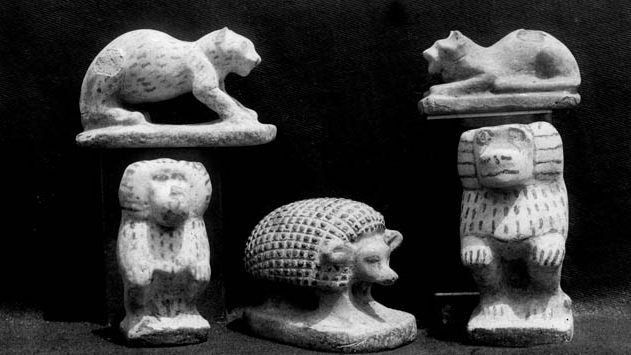
This was an AHRC-funded project in collaboration between the University of Liverpool and National Museums Liverpool and part of the “Research Infrastructure for Conservation and Heritage Science” (RICHeS) programme of research. This project focused on the archaeological collections of John Garstang and addressed the complexities of its international distribution and the challenges of working with collections information informed by colonial acquisition practices. We aimed to make this distributed collection more globally visible through a dedicated online portal, creating an international network to improve the accessibility and understanding of archaeological finds through collaborative research.
The main aim of this project was to enhance collective knowledge of material composition, colonial acquisition and lost cultures, especially in politically unstable regions. The overall goal was to promote best practices for distributed collection management and to increase public engagement with archaeological heritage.
Museum Data Service
January 2025 – March 2025
Collections Trust
This was an AHRC and Bloomberg Philanthropies-funded project that has developed a new service in collaboration with Art UK, Collections Trust, and the University of Leicester that brings together object and collection records from all UK museums.

The Congruence Engine:
Digital Tools for New Collections-Based Industrial Histories
August 2023 – January 2025
Science Museum
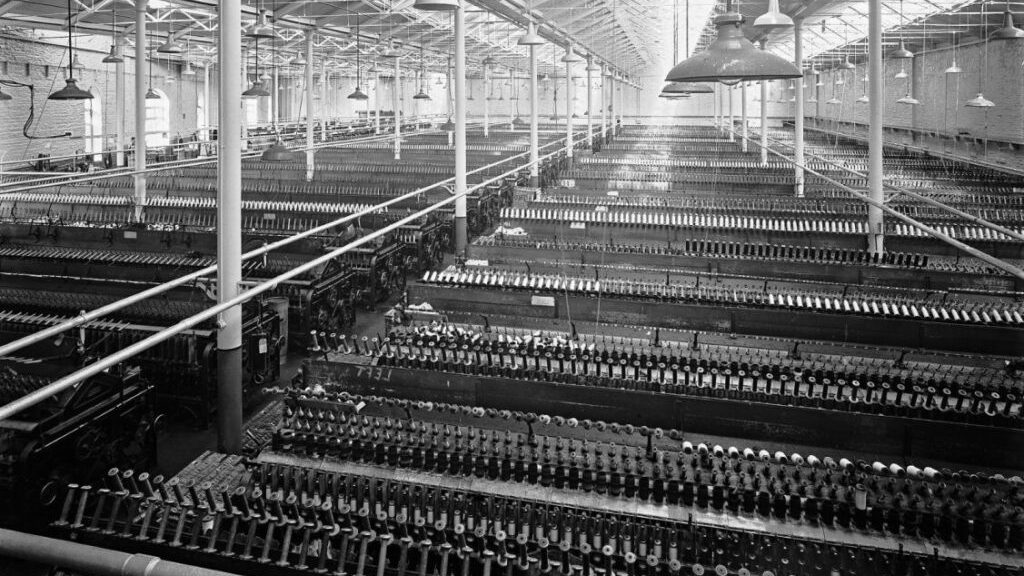
This was a AHRC-funded project that was part of the broader “Towards a National Collection” (TaNC) programme of research. It’s main aim was to create the prototype of a digital toolbox for people fascinated by the industrial past to connect an unprecedented range of items from the nation’s collection to tell the stories about history that they want to tell. Until now, historians and curators have become used to a world where it has only been possible to work with a small selection of the sources – museum objects, archive documents, pictures, films, maps, or publications, for example – potentially relevant to the history they want to explore. We aimed to overcome this major constraint on the histories that can be created and shared with the wider public in museums, publications and online.
The project united in collaboration a unique combination of skills and interests. Digital researchers worked alongside professional and community historians and curators. Through 27 months of iterative exploration of the textiles, energy and communications industrial sectors, the project tuned collections-linking software to make it responsive to user needs. It used computational and AI techniques – including machine learning and natural language processing – to create and refine datasets, provide routes between records and digital objects such as scans and photographs, and create the tools by which the historian and curator participants will be able to enjoy and employ the sources that are opened to them.
Communities and Crowds:
Expanding Volunteer Programs Across Physical and Digital Spaces for Cultural Institutions
October 2022 – February 2023
National Science and Media Museum
This was an AHRC-funded, three-year research project which started in February 2021. The project was a collaboration between researchers and curators at the National Science and Media Museum, Bradford and the Zooniverse teams at Oxford University and the Adler Planetarium, Chicago.
Participatory research methods and online crowdsourcing techniques were used to explore how members of the local community can work together with online volunteers from across the globe, to enhance the visibility and discoverability of archival objects that matter to them. Online citizen science projects have typically focused on broad but shallow engagement and have been developed from the top down, with researchers setting the questions and developing the tasks and online volunteers working digitally to complete them. Communities and Crowds developed new processes and tools and experimented with how volunteers could be enabled to lead the development and realisation of a citizen science project from the very beginning.
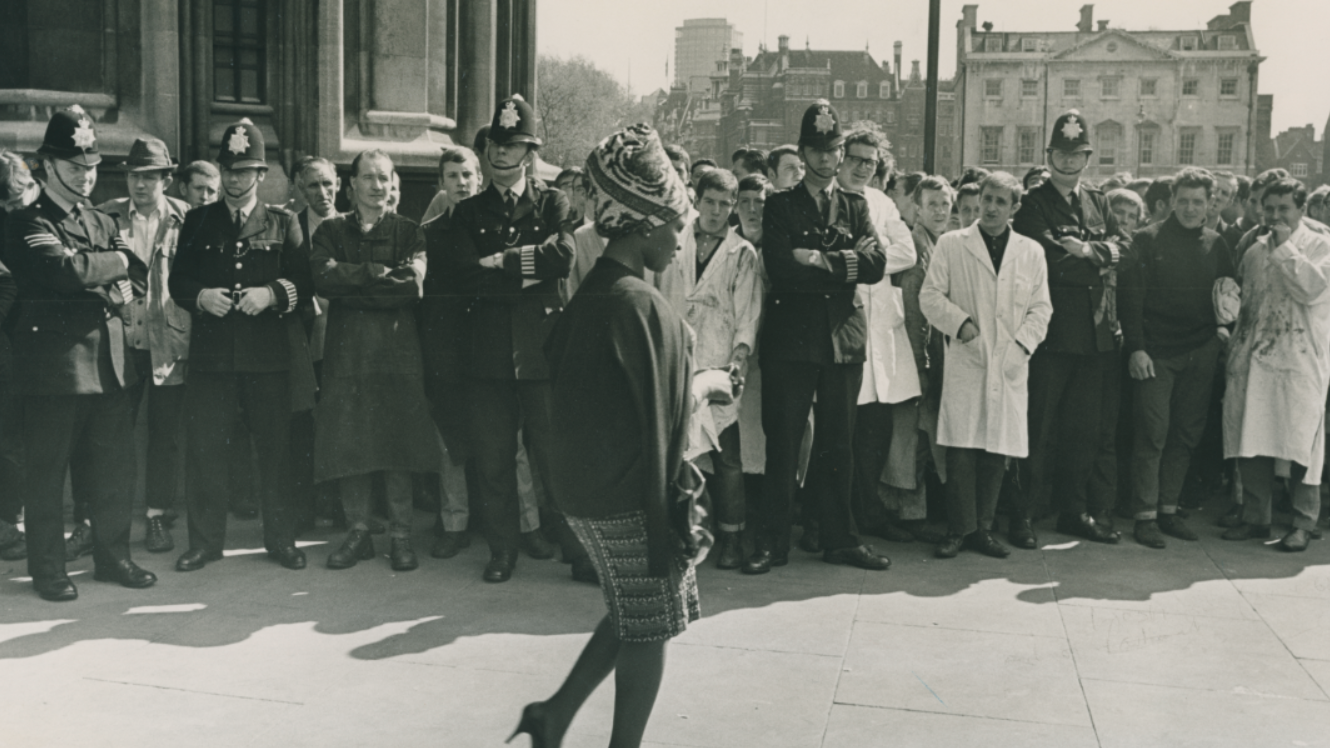
The project team worked with a group of volunteers from Bradford who have an interest in African-Caribbean heritage to select and digitise a body of photographs from the Daily Herald Photographic Archive which they think should be made public and preserved. We then worked with the Zooniverse team to co-create a citizen science project (titled How Did We Get Here?) from the digitised material, creating tasks whereby the online volunteering community can further enrich the data about these objects so they will be better catalogued and more discoverable online. In the final year of the project the research team tested out this newly developed process with a second collection, based at the National Museum of Scotland.
Graduate Workforce Bradford
September 2021 – September 2022
University of Bradford
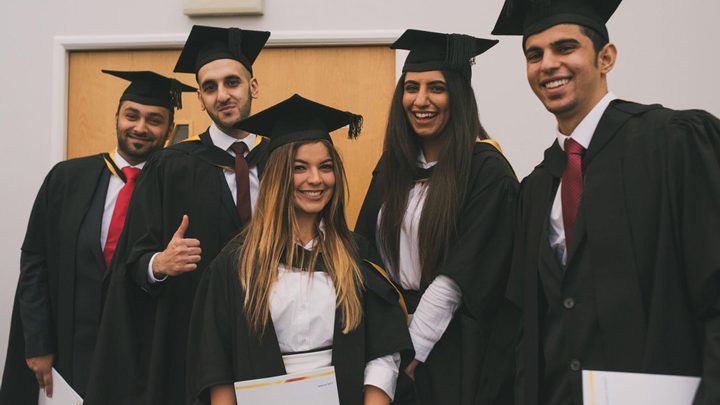
This OfS-funded project was set up to help boost the job prospects of ethnic minority graduates across the Bradford Metropolitan district. Graduate Workforce Bradford sought to address two challenges faced by the Bradford district: the underemployment and unemployment of ethnic minority graduates, and the recruitment, skills gaps and workforce diversity needs of Bradford employers, particularly within the health and social care, manufacturing and engineering, and public service sectors.
Utilising career theory, best practices in EDI, and action research, Graduate Workforce Bradford developed a sustainable approach to providing effective support to graduates and assisting employers to develop inclusive recruitment practices and workplace cultures.
Ritual and Funerary Rites in Later Prehistoric Scotland:
An Analysis of Faunal Assemblages from the Covesea Caves
October 2016 – August 2021
University of Bradford
This PhD research project was centred on the Covesea Caves, a series of later prehistoric sites that form a complex mortuary landscape. Previous excavations of the caves have provided evidence for the decapitation, disarticulation, and intentional deposition of human remains. Although there has been substantial analysis of the human remains, there has been little consideration of the significant number of faunal remains recovered during numerous excavations.
This research represents the first focused examination of the extensive zooarchaeological record from the Covesea Caves, with an emphasis on investigating characteristics of the faunal bone related to taphonomy and processing in order to provide a proxy for the complex funerary treatments to which the human remains were subject. Analysis of Covesea Cave 2 revealed a narrative of ritual and funerary activities, from the Neolithic to the Post-Medieval Period. Zooarchaeological analysis has illustrated how certain species were significant in ritual activity, and thus utilised specifically in funerary rites. The results from this research shed more light on past cosmologies and the importance of non-human species to humans in both life and death.

Fishing, Diet, and Environment in the Iron Age of the Northern Isles
May 2016 – August 2016
University of Bradford
This MSc research project focused on the argument that no fishing occurred during the British Iron Age, despite sites in the Northern Isles producing large assemblages of small fish bones. To offer a counterpoint to this argument, I investigated fish bone assemblages excavated from the site of Swandro on Rousay, Orkney.
Multiple analytical methods, including scanning electron microscopy and light isotope analysis, were applied to the assemblages in order to determine the range of species present, the method of capture and treatment of the fish, and their influence on diet. This project can be considered a pilot study in the successful application of analytical methods to faunal assemblages in order to develop a more detailed interpretation of the environmental aspects of a site.

 Animal Archaeology