Category: Archaeology
-
No One Knows Who They Were or What They Were Doing: The Many Stonehenges of the United States

In ancient times, Hundreds of years before the dawn of history Lived a strange race of people, the Druids No one knows who they were or what they were doing But their legacy remains Hewn into the living rock, of Stonehenge – Stonehenge, This is Spinal Tap Stonehenge is arguably one of the most iconic
-
Bones That Look Like Other Bones: A MiniPost About Rabbits and Hares

Note: Is it morbid to look at rabbit and hare skeletons on Easter? Maybe. But more importantly, please remember that caring for rabbits as pets is a commitment – don’t buy them as an Easter Day gift for kids if you’re not committed to caring for them! More information can be found here. So, moment
-
Pseudoarchaeology and Neo-Paganism: A Tricky Situation

In his book Green Man: the Archetype of Our Oneness with the Earth (1990), William Anderson makes a point to say that neo-pagans want “every tradition to be as ancient as possible”. Contrary to what some may believe, however, we do not see a lineage of witch religion historically or archaeologically that can be traced
-
#FolkloreThursday: On High Status Animals, or Imagining Scrooge McDuck’s Vault But Filled With Pigs and Horses
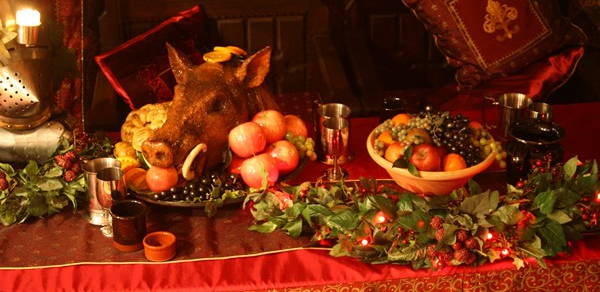
When we think of “high status” in the archaeological record, we usually think about intricate metalwork or elaborate jewellery…but what about animals? If that sounds strange, remember this: we still have animals and animal-based foods that are culturally considered “high status” today! Think of things like caviar, lobster, peacocks, etc…cover them all with some gold
-
Written in Stone: Standing Stones in Skyrim (and in Real Life!)

In Skyrim, one of the first game mechanics you’re introduced to after the initial tutorial quest is the Standing Stone. By using a Standing Stone, the player character gains bonuses to certain traits and/or extra abilities. However, a player character can only receive one “blessing” at a time – if another Standing Stone is chosen,
-
Reinventing the “King” in Fallout: New Vegas
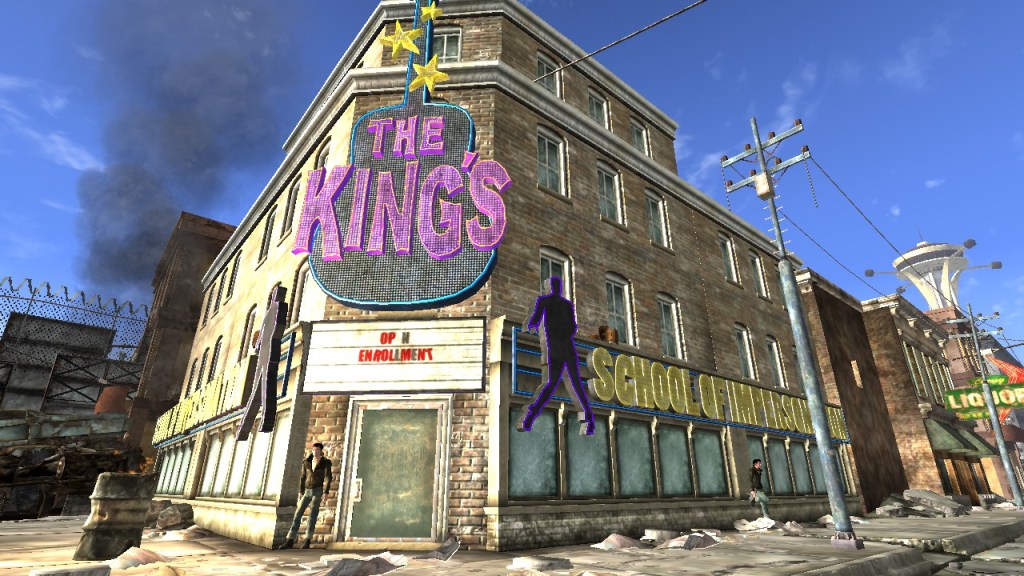
Recreating the past is a common thread in Fallout: New Vegas (Obsidian Entertainment 2008) – previously on the blog, we took a look at how the Legion, the main antagonistic force of the game, based their entire structure and aesthetics on the Roman Empire. This is the case of many of the Factions (or “tribes”, as
-
The Archaeology of Narrative in the World of Pandora
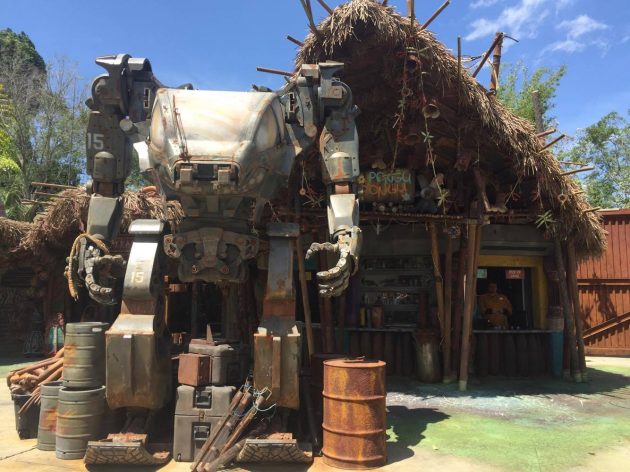
In the spring of 2017, Walt Disney World officially opened up the newest addition to Disney’s Animal Kingdom in Orlando, FL. It was called “Pandora: the World of Avatar” and was based on the James Cameron film of the same name from 2009. The conceit of this additional “land” is that it takes place a
-
The Bone Collector: Building A Personal Reference Collection

Although I guess you can say I’ve been a zooarchaeologist for the past 3 years, I’ve still been a bit behind when it comes to my own personal reference collection. It’s not a necessity for zooarchaeologists, of course, but it’s always good to have – plus, it’ll become important if you go into consulting work.
-
On the Chopping Block: Decapitation in Archaeology

Content Warning: Photo of human remains included in this post. In Skyrim (Bioware 2011), capital punishment usually consists of a swift beheading – this is seen in the game’s opening, where you watch as a Stormcloak, deemed to be traitorous to the Empire, is beheaded by the Imperial army’s executioner. You luckily manage to escape
-
Recreating Romans in Fallout: New Vegas

In Fallout: New Vegas (Obsidian Entertainment 2010), the post-apocalyptic world of Nevada has split up into various factions (sometimes referred to as “tribes” in-game) that are in a constant struggle to regain control of the land, specifically the New Vegas Strip. Arguably the major antagonistic faction (although your player character can choose to join forces
 Animal Archaeology