Category: Comparative Anatomy Guides
-
Bones That Look Like Other Bones: Rodent Bones VS Bird Bones

Today’s comparative mini-post comes from a question I received from Trisha J. (thanks Trisha!), who asked for a bit of a comparison between rodent and bird bones. Now, while I have written about both rodents and birds before, I’ve never actually compared the two in one of these posts – which is a bit of
-
OM NOM NOM or Did I Really Use an Old, Bad Joke to Introduce a Post on Gnawing?
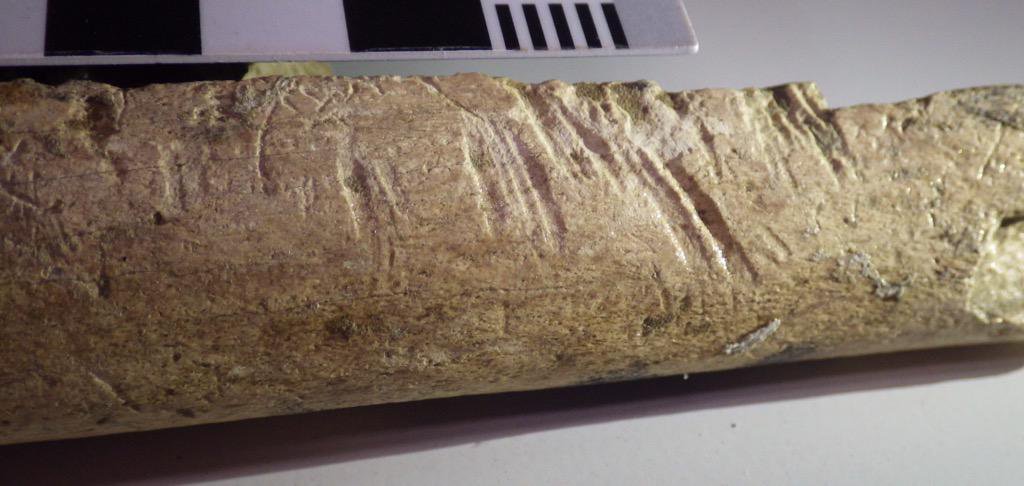
Hi, welcome back to the early to mid 2000’s where we still use jokes like “om nom nom” unironically! Just kidding, I won’t subject you to bad jokes like that for this entire post. Anyway, it’s come to my attention that for a blog called “Animal Archaeology”, I don’t really write that much about the
-
Bones that Look like Other Bones: A Mini Post about Foxes and Badgers
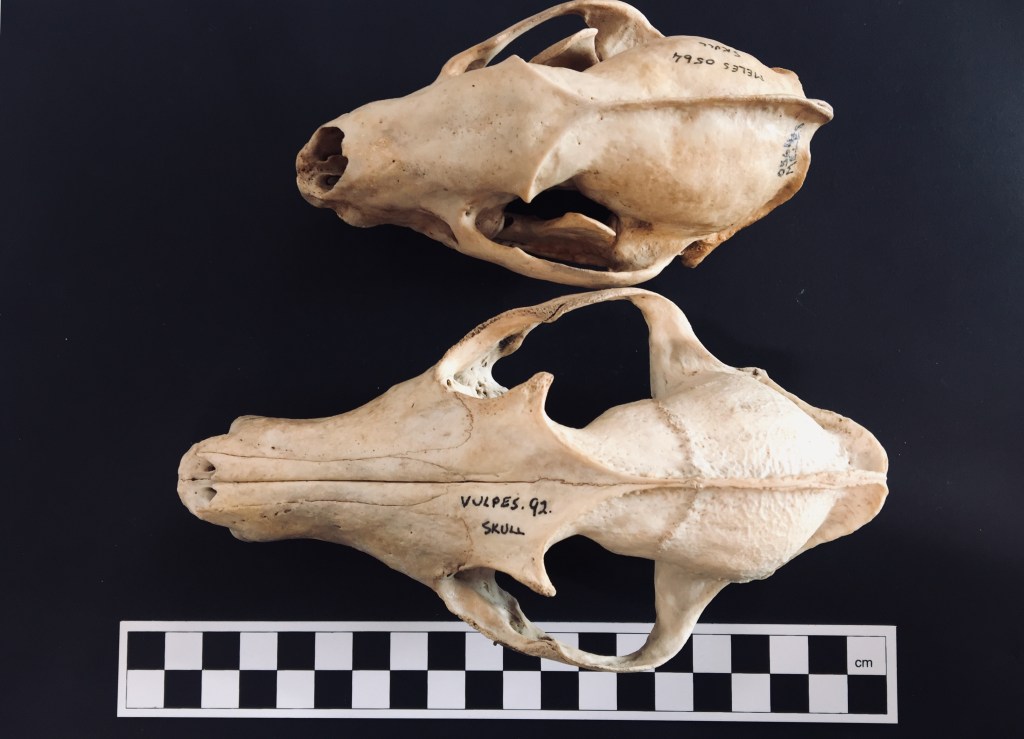
It’s been a while since I’ve made a Comparative Anatomy post! But after running into an issue with a possible fox/badger bone fragment, I figured it might be time to make a new one. And if you have any particular comparative anatomy posts that you’d like me to make in the future, please feel free
-
Bones That Look Like Other Bones: A MiniPost About Rabbits and Hares

Note: Is it morbid to look at rabbit and hare skeletons on Easter? Maybe. But more importantly, please remember that caring for rabbits as pets is a commitment – don’t buy them as an Easter Day gift for kids if you’re not committed to caring for them! More information can be found here. So, moment
-
From the Question Bag: Fish Remains in Scotland
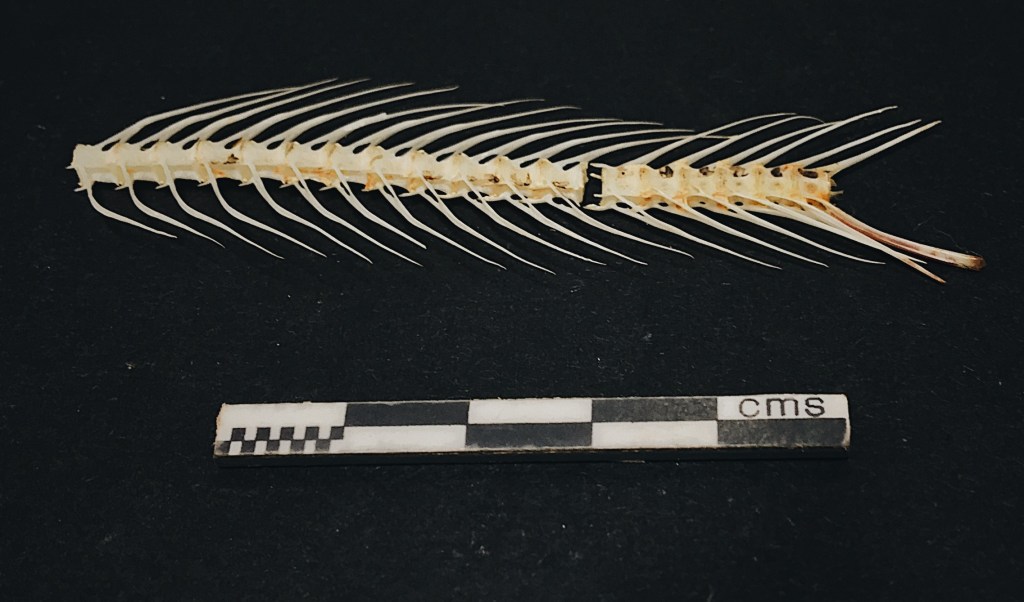
James Green asked: I know in the US South amia calva is one of the most common fish remains found in sites. What is the most common there? Well, as someone who seems to have been knee-deep in fish bones since 2014, I’m glad you’ve asked! Let me preface this by saying my area of
-
A Thanksgiving Blog Post Without Turkeys, ‘Cos I Don’t Have Any Turkey Bones

As an American, I feel a bit obligated to make a themed-post for Thanksgiving. But here’s the problem: I don’t have any turkey bones in my collection. So, what’s a zooarchaeologist blogger to do? Well, the next best thing: here’s a minipost looking at the bones of domestic fowl and why it’s important to differentiate
-
Bones That Look Like Other Bones: A MiniPost About Rodents and Fish
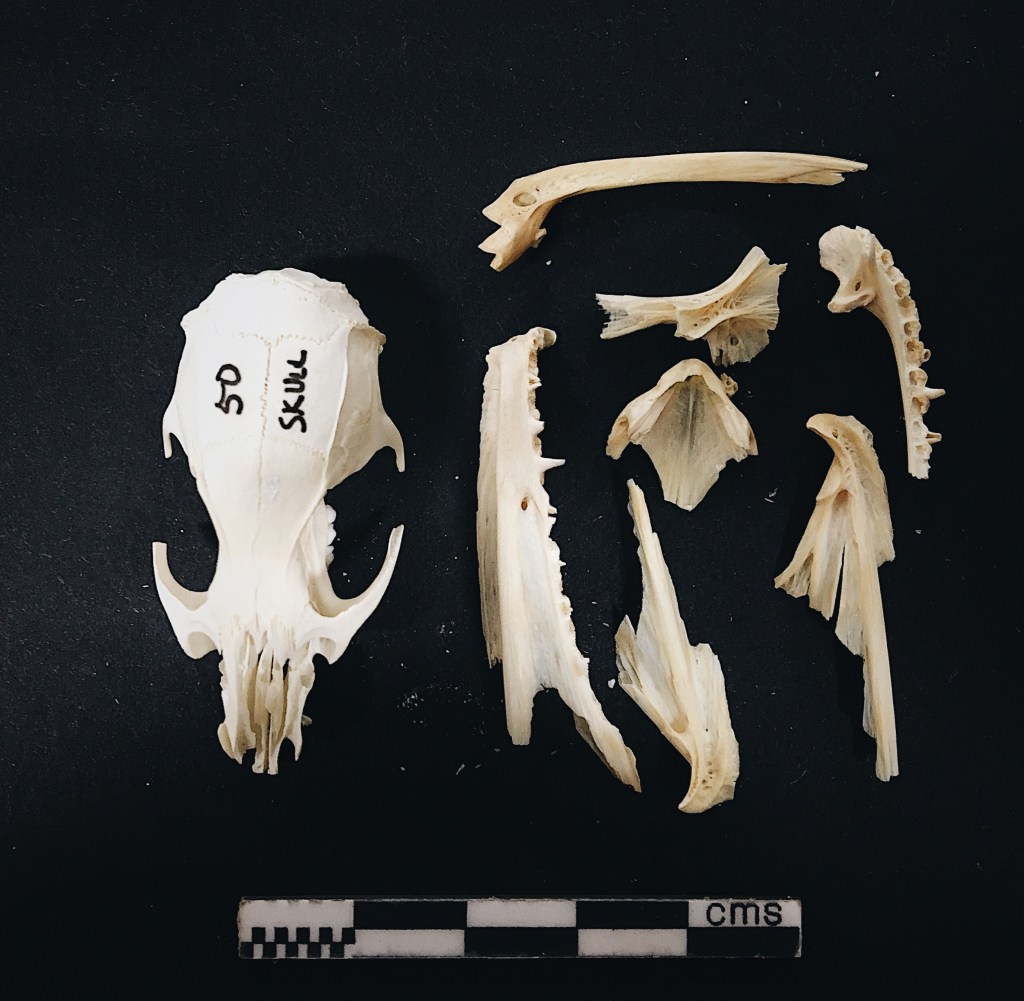
Yet another minipost in my comparative anatomy series! But this one might be the strangest paring of all. Rodents and fish – could there be any more different animals? And yet, I find that students just starting out in archaeology tend to confuse the two together. To be fair, it’s very understandable – the size
-
Bones That Look Like Other Bones: Rodent Week Edition

According to Twitter, last week was #RodentWeek. So here’s another comparative anatomy minipost about some commonly found rodents: squirrels, rats, and mice! Now, when it comes to differentiating between these three, size matters. As you can see from the above photo, there’s a huge difference between the skull of a squirrel and the skull of
-
Bones That Looks Like Other Bones: A MiniPost About Birds and Rabbits

I’ve been quite busy doing analysis on assemblages for my PhD project, so I don’t have much time for blogging these days. But in (belated) honour of International Rabbit Day, here’s a quick comparison of rabbits and birds! For the most part, rabbits and birds are quite distinguishable animals. I mean, one has wings and
-
On Animal Teeth, or Why I’m Not a Dentist

Since my last post using comparative anatomy was rather popular, I figured I should write a similar post for this week, starting with the most important part of the skeleton for zooarchaeologists (in my opinion) – teeth! In my experience, teeth are the best skeletal elements to recover. Why? They’re one of the more easily
 Animal Archaeology