-
Entitlement, Bitterness, and Grief: The Post-PhD Job Hunt Experience

If you follow me on Twitter, you have likely noticed the uptick in Tweets complaining about my job search over the past few months – most likely before either unfollowing or muting me (and frankly, I can’t blame you!). With my current contract ending in a few months and lacking the legal entitlement to any
-
Should We Respect Rover’s Remains? A Discussion on Ethics, or the Lack Thereof, in Zooarchaeology

The following text is a transcript of a conference paper I presented in 2019 for the Animal Remains Conference at the University of Sheffield. Archaeology is currently in the midst of an ethical crisis. From pseudo-archaeological “fake news” (Halmhofer 2019; Wade 2019) to the longstanding fight for repatriation of artefacts and remains (Gilyeat 2019; Kremer
-
The WordPress Workshop: Blogging as a Method for Theory Development
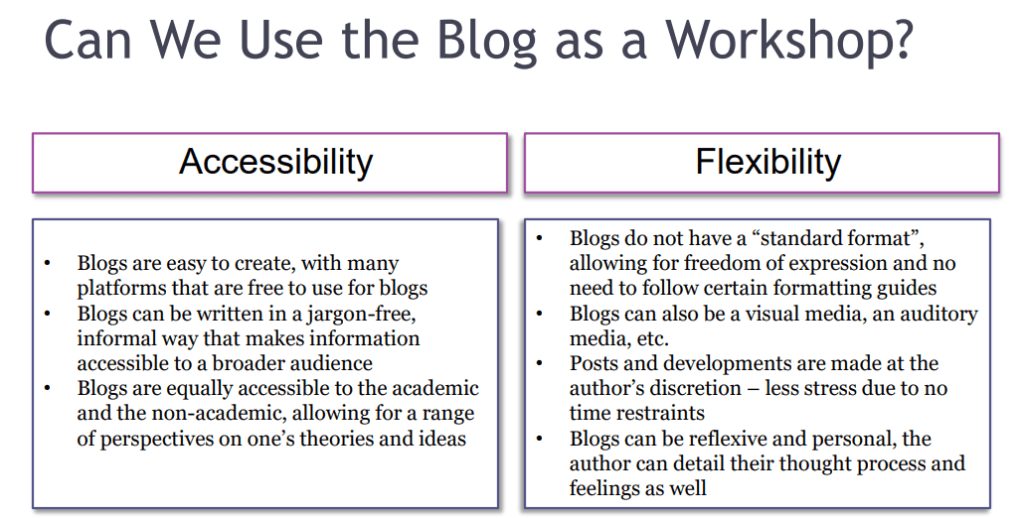
The following text is an expanded version of a Twitter conference paper I presented in 2019 for the PressEd Twitter Conference on the importance of blogging for me as an early career researcher. The general perception of blogging has undergone drastic changes in the past two decades. What was once considered a niche hobby for
-
You Will Never Be Indiana Jones: How Toxic Masculinity Spurs Sexism and Ableism in Archaeology

The following post is an article that was originally written and published for Lady Science, a wonderful online magazine that has now sadly ended its publication . I am very grateful for the chance to originally publish with the amazing team behind Lady Science, who gave me the confidence and the support necessary to write
-
On Flare Ups in the Trenches: Personal Reflections on Disability in Archaeology
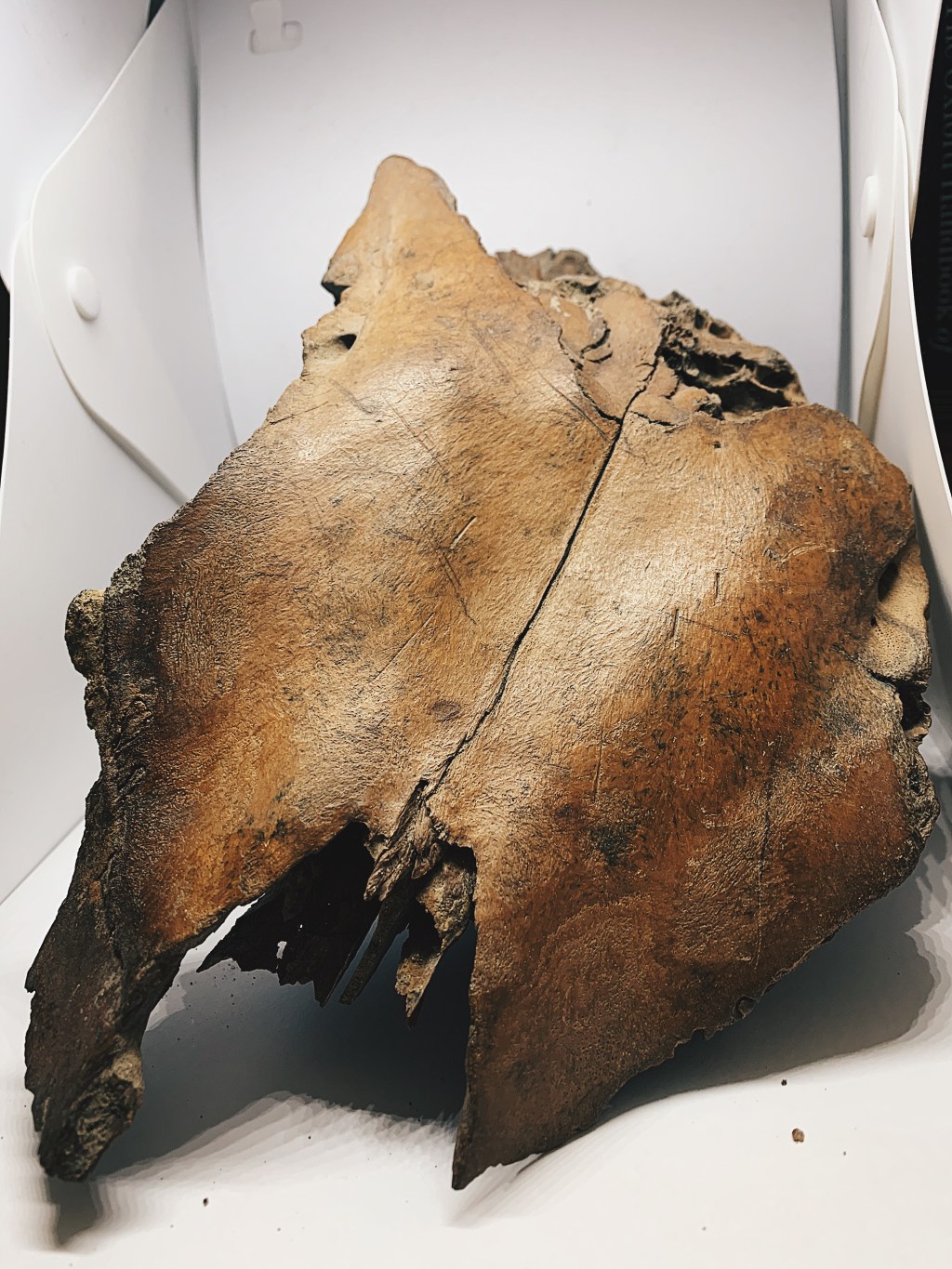
Disability in archaeology can be discussed from two perspectives: identifying and interpreting disability in the past (e.g., Gowland 2017, Kristjánsdóttir and Walser 2021, and my own previous blog post briefly discussing this), but also supporting accessibility and inclusivity for disabled archaeologists (e.g., Philips et al. 2012, O’Mahoney 2015). Today’s blog post will focus on the
-
End of the (PhD) Road: Reflecting on 5+ Years of Graduate Studies in Archaeology

Last week, I (finally!) graduated from the University of Bradford with my PhD in Archaeology, ending a decade-long academic journey that was a culmination of approximately 5 years of PhD studies, 1 year of MSc studies (Archaeological Sciences), and 4 years of BA studies (Classical Archaeology and Anthropology)…and boy, am I tired. So, after all
-
The Unbearable Whiteness of Being (in British Archaeology)

At this point, it’s not at all shocking to declare that there is a real problem with regards to race within British archaeology; the most recent Profiling the Profession survey shows that 97% of the field is white (Aitchison and Rocks-Macqueen 2021), and there has been a number of articles reiterating the lack of diversity
-
The Radical Potential of Making an Archaeology of Care Visible

What is “an archaeology of care”? Well, it can mean a few things. It has been used, for example, to describe a form of archaeological practice developed by Caraher and Rothaus (2017) in which care and support for the present day communities associated with the fieldwork is considered as important as the archaeological research itself.
-
The Spookiest Part are the Ears: Alex Versus the Plastic Halloween Skeletons (Again)

It’s that time of year again, folks – the spookiest time of the year, where the most frightful and terrifying creatures are out and about to scare us mortal beings… I am, of course, talking about Halloween and, more specifically, the terrifying haunted beings which are the inaccurate animal skeletons that are sold at every
-
The Archaeology of Memories and Mementos: An Archaeologist’s Review of “I Am Dead”
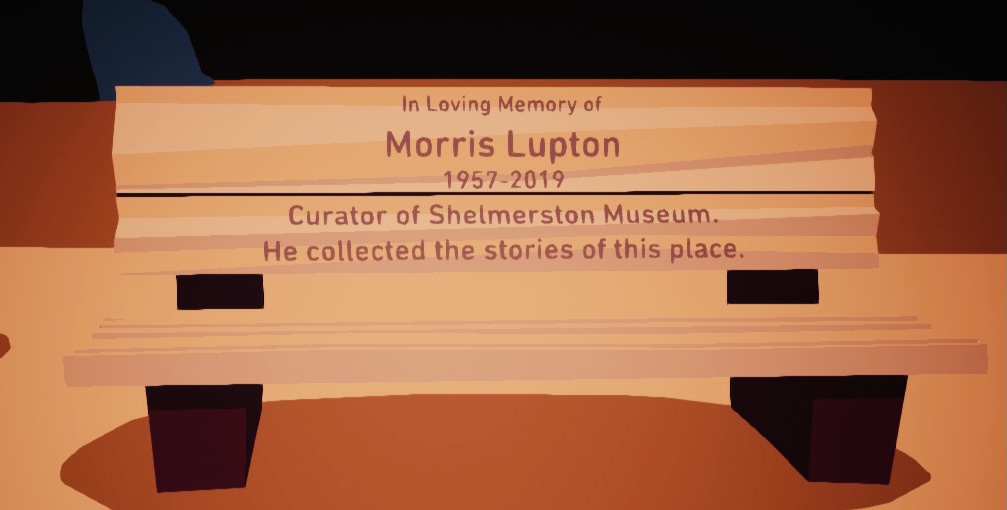
Please note that this blog post contains spoilers for the game “I Am Dead”. So, one of the things I was most excited to get to post-PhD was my ever-increasing backlog of video games (damn you, Nintendo Switch sales!), and I was particularly excited about tackling the long list of indie games. One of these was, of course,
-
Subscribe
Subscribed
Already have a WordPress.com account? Log in now.
 Animal Archaeology