Tag: Archaeology
-
On Embracing Liminality and Fighting Precarity: Moving Onwards from 2022
It’s been a tough year…for everyone, to be honest! But for me, it’s been a bit of a wake-up call after finding myself somewhat comfortably situated in grad school life since 2015. At the end of 2021, I graduated with my PhD and had secured my first proper research position at a university (albeit in
-
Beyond Domestication and Subsistence: A Call for a Decolonised Zooarchaeology

The following text is a transcript of a talk I gave in 2019 for the Decolonising Science Narratives workshop held at the Science Museum in London, UK. Although I have since changed my mind a bit on the topic (see my follow-up seminar talk I gave here), I feel like its important to have my
-
Gesturing Beyond Bones: Proposing a Decolonised Zooarchaeology

This is the text from a talk I gave at the Approaches to Decolonising Research event organised by the Decolonising the Curriculum Working Group at Liverpool John Moores University. If you’re interested in reading the talk that formed the basis of this one, you can find that transcript here. The call to decolonise archaeology is
-
Unearthing the Uncomfortable: Reflections on the Continued Lack of Diversity in British Archaeology

The following text is a transcript of a talk I gave in April 2022 for the Norfolk and Norwich Archaeological Society’s Community Archaeology Conference, held at the University of East Anglia. Please note that I use terminology such as BAME (Black, Asian, Minority Ethnic) throughout this talk – this is mostly done for ease of
-
Should We Respect Rover’s Remains? A Discussion on Ethics, or the Lack Thereof, in Zooarchaeology

The following text is a transcript of a conference paper I presented in 2019 for the Animal Remains Conference at the University of Sheffield. Archaeology is currently in the midst of an ethical crisis. From pseudo-archaeological “fake news” (Halmhofer 2019; Wade 2019) to the longstanding fight for repatriation of artefacts and remains (Gilyeat 2019; Kremer
-
You Will Never Be Indiana Jones: How Toxic Masculinity Spurs Sexism and Ableism in Archaeology

The following post is an article that was originally written and published for Lady Science, a wonderful online magazine that has now sadly ended its publication . I am very grateful for the chance to originally publish with the amazing team behind Lady Science, who gave me the confidence and the support necessary to write
-
On Flare Ups in the Trenches: Personal Reflections on Disability in Archaeology
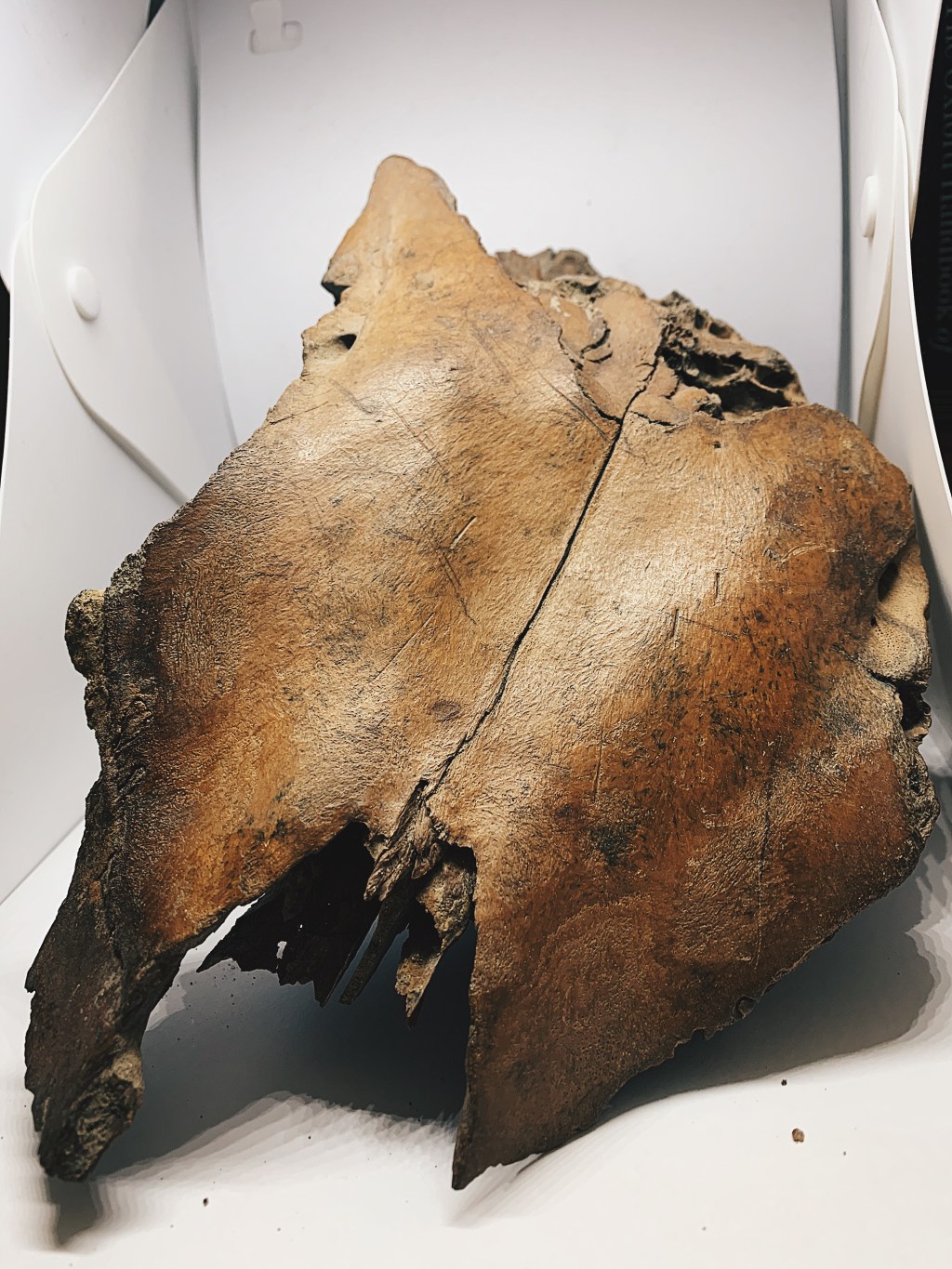
Disability in archaeology can be discussed from two perspectives: identifying and interpreting disability in the past (e.g., Gowland 2017, Kristjánsdóttir and Walser 2021, and my own previous blog post briefly discussing this), but also supporting accessibility and inclusivity for disabled archaeologists (e.g., Philips et al. 2012, O’Mahoney 2015). Today’s blog post will focus on the
-
End of the (PhD) Road: Reflecting on 5+ Years of Graduate Studies in Archaeology
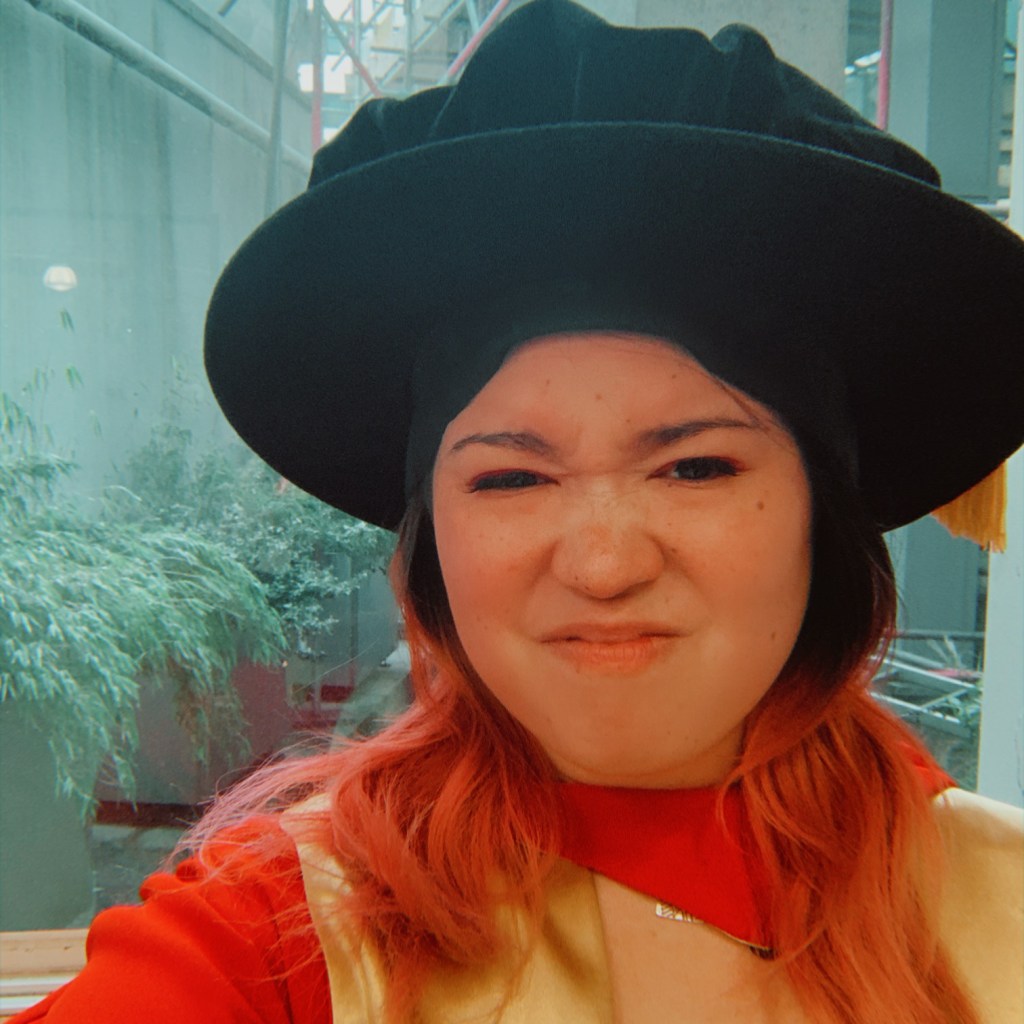
Last week, I (finally!) graduated from the University of Bradford with my PhD in Archaeology, ending a decade-long academic journey that was a culmination of approximately 5 years of PhD studies, 1 year of MSc studies (Archaeological Sciences), and 4 years of BA studies (Classical Archaeology and Anthropology)…and boy, am I tired. So, after all
-
The Unbearable Whiteness of Being (in British Archaeology)

At this point, it’s not at all shocking to declare that there is a real problem with regards to race within British archaeology; the most recent Profiling the Profession survey shows that 97% of the field is white (Aitchison and Rocks-Macqueen 2021), and there has been a number of articles reiterating the lack of diversity
-
The Radical Potential of Making an Archaeology of Care Visible

What is “an archaeology of care”? Well, it can mean a few things. It has been used, for example, to describe a form of archaeological practice developed by Caraher and Rothaus (2017) in which care and support for the present day communities associated with the fieldwork is considered as important as the archaeological research itself.
 Animal Archaeology